Do Police Scanners Work Anymore?
Police scanners still work today when they match the local radio system and its traffic is unencrypted. Check your agencies' system types before choosing an analog or digital model.
On this page (10 sections)
- Do police scanners work anymore?
- What changed when police radio went digital?
- Can a scanner hear encrypted police communications?
- How do you find out which scanner works nearby?
- Which digital scanner suits your local system?
- How should you set up a scanner for useful listening?
- Why might a scanner be silent or miss calls?
- How do you care for a handheld scanner?
- Are police scanners legal to own and use?
- Do police scanners still work, and which should you choose?
Yes, police scanners still work today, but you need a model that matches your local radio system. Analog, digital, trunking, and encryption each affect what you can hear.
Start with the agencies you want to monitor, rather than the scanner with the longest feature list. A premium receiver can't make encrypted dispatch audible, while an analog handheld may cover everything you need where conventional analog channels remain in use.
Do police scanners work anymore?
Yes, scanners still receive compatible, unencrypted transmissions from agencies that use radio systems they support. Their usefulness depends on the particular police, fire, EMS, or other channels you want to follow.
A police department's move to a new system doesn't mean every nearby service moved with it. Police dispatch could be encrypted while other local communications remain available, so check each service separately.
Build a short listening list before shopping: your city police, county sheriff, fire dispatch, or another specific service. Our guide to the best police scanners helps you compare options once you know those systems.
What changed when police radio went digital?
Digital radio sends voice as data, which requires a scanner that can decode the correct format. An analog-only radio can't turn that signal into clear speech.
Trunking is a separate feature that lets many users share a group of frequencies. Instead of staying on one frequency, a conversation can move between them under the system's control.
A compatible trunk-tracking scanner follows those changes and lets you select talkgroups, which are logical groups of users. Treat voice format and trunking support as 2 separate buying checks.
Don't assume that a scanner labeled “digital” handles every digital system. Match the exact local format and system type before comparing display size, storage, or convenience features.
Can a scanner hear encrypted police communications?
No, a consumer scanner can't decode encrypted voice into understandable audio. Better reception and more advanced programming don't remove encryption.
Some systems mix open and encrypted talkgroups, and some channels may use encryption only for certain traffic. Check the dispatch talkgroup you actually want instead of judging the whole system by its name.
If every channel on your listening list is encrypted, skip buying a scanner for that purpose. Other open services may still make one useful, but choose it for those services rather than expecting police access later.
How do you find out which scanner works nearby?
Identify the agency, system, voice format, and encryption status before choosing hardware. Also check whether the system uses simulcast, since that can affect the receiver you should consider.
The RadioReference database is a useful starting point for frequencies and system details. Read the agency and talkgroup entries, then check current local information for moves or changes.
Write down these details for each service:
- Conventional or trunked: Does it use fixed channels or a shared system?
- Voice format: Is the traffic analog or a specific digital format?
- Encryption: Is the dispatch traffic you want open?
- Coverage: Which nearby sites or channels serve your area?
- Simulcast: Do multiple transmitters send the same system's signal?
Simulcast can cause decoding trouble when overlapping signals reach a receiver at slightly different times. A strong signal indicator with broken speech can point to this problem, rather than a need for a larger antenna.
Do analog police scanners still work anymore?
Yes, analog police scanners still work for compatible conventional analog channels. They remain useful when your actual listening list fits that limit.
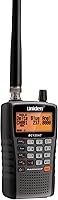
The Uniden Bearcat BC125AT has 500 alpha-tagged channels arranged in 10 banks. You can name channels and group them by town, department, or interest instead of remembering frequencies.
Choose it for confirmed conventional analog services, or for compatible aircraft, railroad, and other analog listening. Skip it for digital police systems or any trunked system you need to follow.
Its Close Call feature can find nearby transmitters, but that doesn't replace programming your target channels. Read our Uniden Bearcat BC125AT review if those analog uses match your plans.
Which digital scanner suits your local system?
The BCD436HP suits compatible digital listening with database-guided setup, while the SDS100 deserves closer attention where simulcast reception is a concern. Neither is a reason to skip the local compatibility check.
Choose the BCD436HP for database-guided listening
The Uniden BCD436HP combines ZIP-code setup with a US and Canada radio-system database. Its TrunkTracker V features include support for P25 Phase I and Phase II.
It suits listeners who want to start with nearby systems and then refine their choices. Its Instant Replay can play back up to 240 seconds of recent transmissions, which helps when you miss part of a call.
Skip it if your target system isn't supported or its traffic is encrypted. If local listeners report simulcast decoding problems, weigh that issue before choosing it over a receiver designed for those conditions.
Choose the SDS100 when simulcast matters
Uniden designed the SDS100's True I/Q receiver to improve digital performance in simulcast and weak-signal environments. That makes it the more relevant choice here when overlapping signals are a known local problem.
Its HomePatrol database can be updated through Sentinel, and location-based scanning accepts a ZIP code or GPS coordinates. An external GPS receiver, sold separately, lets it reselect systems as you travel.
Choose it when its reception design addresses your local system and you want a handheld. Skip it if conventional analog reception covers your needs or encryption blocks the traffic you want.
The SDS100 also has JIS4/IPX4 water resistance. Treat that as splash protection, keep ports dry, and don't submerge the radio.
How should you set up a scanner for useful listening?
Start with one known local system and a short channel list. A narrow setup makes it easier to spot a wrong setting and hear the traffic you care about.
For a database-equipped model, update the database and firmware through the appropriate software before building your listening list. Enter your location carefully, then review the selected agencies instead of accepting every nearby service.
For conventional channels, enter the correct frequencies and add clear names. For trunked systems, select the relevant site and talkgroups, and check that your wanted services aren't disabled or avoided.
Set squelch only high enough to stop unwanted noise. Setting it too high can keep weaker signals from opening the audio.
Place the antenna upright and try a few positions, such as near a window, while listening to a known active channel. Use our guide to programming a Uniden Bearcat scanner for the next steps.
Why might a scanner be silent or miss calls?
Silence usually calls for checking settings and compatibility before buying accessories. A scanner may be scanning the wrong channels, skipping a service, or waiting through a quiet period.
Work through these checks in order:
- Confirm that scanning is running and the volume is audible.
- Check that the wanted channel or talkgroup isn't avoided.
- Verify your location, selected services, and relevant trunked site.
- Confirm the system's voice format and encryption status.
- Move the radio and compare reception on a known active channel.
Don't scan every stored channel just because space is available. A long list of unrelated services can delay the scanner's return to the conversation you want.
A larger antenna isn't always the cure for broken digital audio. With simulcast, changing the radio's position may help more than collecting a stronger mix of overlapping signals.
How do you care for a handheld scanner?
Keep the radio dry, clean, and ready to power on. Follow its battery and charging instructions, and don't assume different handhelds use the same charging method.
Wipe the case with a soft, dry cloth and avoid pulling or carrying the radio by its antenna. Keep connectors free of dirt, and inspect cables if charging or reception becomes intermittent.
Save a copy of your programming or favorites where the software allows it. Clear names and a backup make it easier to recover from an accidental change or prepare for a trip.
Are police scanners legal to own and use?
The rules depend on your location and how you use the scanner. Check current state and local requirements before taking one into a vehicle.
Our guide to whether you can have a police scanner in your car explains the questions to check. For road use, also compare police scanners for cars with attention to placement, power, and access while parked.
Do police scanners still work, and which should you choose?
Police scanners still work when open local traffic matches the receiver. Make the decision from your listening list, rather than buying extra features in hopes of hearing an unavailable channel.
Choose the BC125AT for confirmed conventional analog listening. Choose the BCD436HP for supported digital systems with database-guided setup, or favor the SDS100 when its simulcast-focused receiver addresses a known reception problem.
If your only target is encrypted police traffic, skip all 3 for that purpose. Once you've confirmed what you can hear, use our police scanner comparison guide to make the final choice.
Frequently asked questions
Do police scanners work anymore?
Yes, police scanners still work for compatible, unencrypted radio traffic; your scanner must support the voice format and any trunking used by the agencies you want to hear. A local switch to digital may require a different scanner, while encryption prevents consumer scanners from making those transmissions understandable.
Can an analog scanner hear digital police radio?
No, an analog-only scanner cannot decode digital police voice traffic; it can still receive compatible analog channels that remain in use nearby. Before replacing it, identify the exact system your target agency uses, including its digital format and trunking requirements, so you buy a model that fits.
Does a digital scanner receive encrypted police channels?
No, a digital scanner cannot make encrypted police communications understandable; digital support lets a compatible scanner decode unencrypted digital voice, but it does not remove encryption. A database update, different antenna, ZIP-code entry, or more advanced receiver will not change that limit, even when the signal is strong.
How do I find out what scanner works in my area?
Start with the agencies you want to hear, then identify their systems, voice formats, and encryption status; check a current radio-system directory and local information before matching those details to a scanner. For a simulcast system, also consider a receiver designed to handle overlapping signals from multiple sites.